Japanese pachysandra vs Allegheny spurge
Allegheny spurge is the native pachysandra, from the southeastern United States. Japanese pachysandra makes the denser, glossier carpet and spreads fast, which is why it is planted everywhere and why it escapes into woods in some areas. Allegheny spurge spreads slowly, has matt, mottled leaves and fragrant spring flowers, and is semi-evergreen in cold zones.
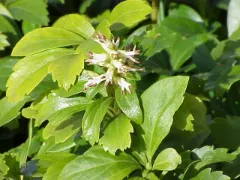 Japanese pachysandra Japanese pachysandraPachysandra terminalis | 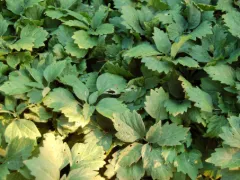 Allegheny spurge Allegheny spurgePachysandra procumbens | |
|---|---|---|
| Size | 8 in tall, 18 in wide | 10 in tall, 18 in wide |
| Plant | 8 in apart | 12 in apart |
| Zones | 4 to 9 | 5 to 9 |
| Light | Part shade to shade | Part shade to shade |
| Soil | Well-drained, rich fertility | Well-drained, rich fertility |
| Flowers | Mid April to early May; white | Early April to early May; white |
| Leaves | Medium, evergreen | Medium, semi-evergreen |
| Job in a bed | Carpet | Carpet |
| Pets | No toxicity recorded | No toxicity recorded |
| Deer | Resistant | Not listed as resistant |
| Native | No | Yes |
| Spread | Moderate risk | Low risk |
Rows where they differ are marked. Flowering times are for zone 5.
Which to choose
- Choose Japanese pachysandra for colder gardens (to zone 4), deer country and leaves in winter.
- Choose Allegheny spurge for a native garden.
Can they grow together?
Yes: they grow in the same conditions. Beside Japanese pachysandra, Allegheny spurge is adds the flowers, early April to early May; a low mound at the foot of its spires. They share part shade and shade and zones 5 to 9.
Read more: all about Japanese pachysandra, and all about Allegheny spurge, each with a bed the planner designed around it.