What flowers in March
The perennials, bulbs and shrubs in flower in March, which of them start this month, and how the dates move with your zone.
March is when the bulbs arrive: crocuses, early daffodils and squills, with the first perennials coming through.
63 of the planner's plants are in flower at some point in March in zone 5, and 41 of them start this month. Spring flowers move with the zone: in zone 7 expect them about two weeks earlier than the dates here, in zone 3 two weeks later.
63 plants: 13 perennials, 20 bulbs and 30 shrubs.
The dozen to start with
-
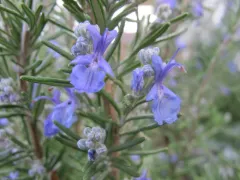
Rosemary
4 ft · early March to early May · starts early March
The kitchen herb: a dense, aromatic, evergreen shrub with needle-like leaves and small, pale blue flowers from late winter into spring.
-

Forsythia
8 ft · late March to mid April · starts late March
Arching branches covered in bright yellow flowers before the leaves in early spring: the signal that winter is over.
-
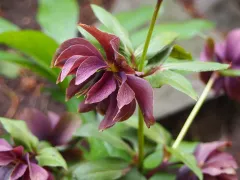
Lenten rose
18 in · late March to early May · starts late March
One of the first perennials to flower, with nodding, long-lasting blooms that often open while snow is still melting.
-
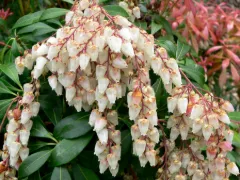
Japanese pieris
8 ft · late March to late April · starts late March
An elegant evergreen with drooping chains of white or pink, lily-of-the-valley bells in early spring, and new leaves that open bronze or bright red.
-

Polyanthus primrose
8 in · late March to mid May · starts late March
Large, bright flowers in almost every colour, most with a yellow eye, in clusters on a single stout stalk above a rosette of crinkled leaves.
-
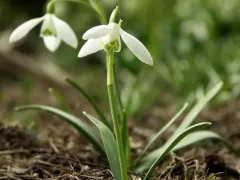
Snowdrop
6 in · early March to late March · starts early March
Nodding white bells that push up through the last of the snow, weeks before anything else.
-
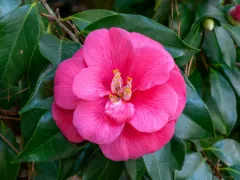
Japanese camellia
10 ft · early February to early April · until early April
Polished, dark evergreen leaves and large, formal flowers in red, pink or white from late winter into spring.
-
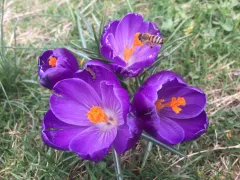
Crocus
5 in · late March to mid April · starts late March
Goblet-shaped flowers that open wide in early spring sun and feed the first bees of the year.
-
Daffodil 'Tete-a-Tete'
7 in · late March to mid April · starts late March
A miniature daffodil with one to three golden flowers on each short stem, very early in spring.
-
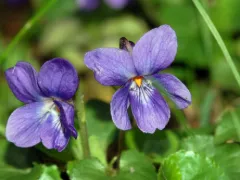
Sweet violet
6 in · late March to early May · starts late March · host plant
The scented violet of florists and perfumers: small, deep violet or white flowers in late winter and early spring, with a sweet fragrance.
-
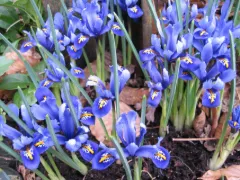
Netted iris
5 in · early March to late March · starts early March
Miniature irises in deep blue, violet or white, with gold markings, that open in the last days of winter.
-
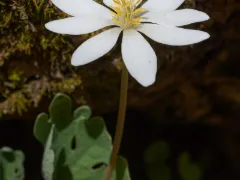
Bloodroot
8 in · late March to mid April · starts late March
Pure white, many-petalled flowers open in the first warm days of spring, each wrapped in a single grey-green, scalloped leaf.
A bed at its best in March
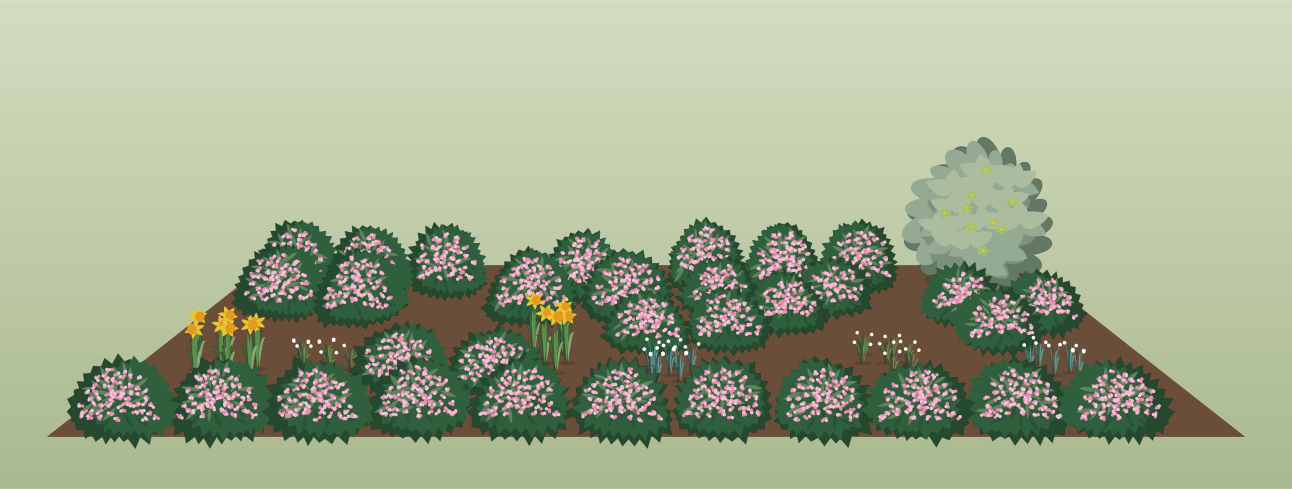
The planner was given only the plants on this page that suit zone 6 and full sun, and designed this 16 × 8 ft (4.9 × 2.4 m) bed from them when the page was made. It is a bed for March on purpose, so its design check marks it down for the rest of the year: a real border would add plants for the other seasons.
The plants
- 1 Winter heath × 21, pink
- 2 Corsican hellebore × 1, green
- 3 Winter heath 'Kramer's Red' × 11, pink
- 4 Daffodil 'February Gold' × 12, yellow
- 5 Snowdrop × 12, white
- 6 Giant snowdrop × 12, white
Planned as a cottage garden: 20 of the 33 plants (61%), bulbs aside, stand alone or in groups of no more than five, small enough for the kinds to mingle. The longest in flower is winter heath 'Kramer's Red': 15 weeks, from mid January to mid April. Low plants run along 95% of the front edge: winter heath. The Design check fails the flowering season and cover for dying bulb leaves, and says heights needs revision.
The planner's own design check: 7 Excellent, 5 Good, 2 Satisfactory, 1 Needs revision, 2 Fail. Its weakest point is succession: Something is in flower for 16 weeks of the year, from mid January to late April, with no pause. Nothing flowers in summer and autumn. It flags one thing to watch: Nothing on this plan is highly poisonous or an aggressive spreader.
Open this bed in the planner Change its size, the sun or the style, move plants about, or swap one for another.
All 63 plants
Show all 63, by where they go in a bed
Front of a bed 34
- Bloodroot 8 in · late March to mid April · starts late March
- Christmas rose 12 in · late February to early April · until early April
- Crocus 5 in · late March to mid April · starts late March
- Crocus 'Ruby Giant' 4 in · early March to late March · starts early March
- Daffodil 'February Gold' 12 in · mid March to early April · starts mid March
- Daffodil 'Jetfire' 10 in · late March to mid April · starts late March
- Daffodil 'Tete-a-Tete' 7 in · late March to mid April · starts late March
- Double snowdrop 5 in · early February to mid March · until mid March
- Early crocus 4 in · early March to late March · starts early March
- English primrose 6 in · late March to early May · starts late March
- Forsythia 'Gold Tide' 24 in · late March to mid April · starts late March
- Giant snowdrop 8 in · mid February to mid March · until mid March
- Glory-of-the-snow 6 in · late March to mid April · starts late March
- Hellebore 'Ivory Prince' 16 in · early March to late April · starts early March
- Hellebore 'Pink Frost' 16 in · late February to mid April · until mid April
- Iris 'Katharine Hodgkin' 5 in · early March to late March · starts early March
- Lenten rose 18 in · late March to early May · starts late March
- Liverleaf 6 in · late March to late April · starts late March
- Netted iris 5 in · early March to late March · starts early March
- Polyanthus primrose 8 in · late March to mid May · starts late March
- Red lungwort 14 in · mid March to late April · starts mid March
- Siberian squill 5 in · late March to mid April · starts late March
- Snow crocus 3 in · early March to late March · starts early March
- Snowdrop 6 in · early March to late March · starts early March
- Spring snowflake 10 in · early March to late March · starts early March
- Striped squill 5 in · late March to mid April · starts late March
- Sweet box 18 in · early February to late March · until late March
- Sweet violet 6 in · late March to early May · starts late March · host plant
- Turkestan tulip 10 in · late March to mid April · starts late March
- Waterlily tulip 8 in · late March to mid April · starts late March
- Winter aconite 4 in · late February to mid March · until mid March
- Winter cyclamen 3 in · early February to late March · until late March
- Winter heath 10 in · late January to mid April · until mid April
- Winter heath 'Kramer's Red' 14 in · mid January to mid April · until mid April
Middle of a bed 2
- Corsican hellebore 2½ ft · late February to late April · until late April
- Stinking hellebore 24 in · late February to mid April · until mid April
Back of a bed 27
- Buttercup winter hazel 5 ft · late March to mid April · starts late March
- Camellia 'April Blush' 5 ft · late March to early May · starts late March
- Chinese fringe flower 6½ ft · late March to early May · starts late March
- Christmas box 4 ft · early January to early March · until early March
- Corkscrew hazel 8 ft · late February to late March · until late March
- Cornelian cherry 16½ ft · early March to late March · starts early March
- Flowering currant 7 ft · late March to late April · starts late March · host plant
- Flowering quince 6 ft · late March to late April · starts late March
- Flowering quince 'Double Take Scarlet' 5 ft · late March to late April · starts late March
- Forsythia 8 ft · late March to mid April · starts late March
- Forsythia 'Lynwood' 8 ft · late March to mid April · starts late March
- Fringe flower 'Purple Diamond' 5 ft · late March to early May · starts late March
- Japanese camellia 10 ft · early February to early April · until early April
- Japanese pieris 8 ft · late March to late April · starts late March
- Korean rhododendron 'Cornell Pink' 6½ ft · late March to mid April · starts late March
- Laurustinus 8 ft · early January to early April · until early April
- Mediterranean spurge 4 ft · late March to late May · starts late March
- Paperbush 6 ft · early February to late March · until late March
- Pieris 'Mountain Fire' 6½ ft · late March to late April · starts late March
- Rosemary 4 ft · early March to early May · starts early March
- Spicebush 10 ft · late March to mid April · starts late March · host plant
- Vernal witch hazel 8 ft · mid January to early March · until early March
- Winter daphne 4 ft · early February to late March · until late March
- Winter jasmine 4 ft · early January to late March · until late March
- Witch hazel 'Arnold Promise' 13 ft · early February to mid March · until mid March
- Witch hazel 'Diane' 10 ft · early February to mid March · until mid March
- Witch hazel 'Jelena' 11½ ft · late January to mid March · until mid March